Makeful is a place where creativity meets technology. The goal is simple. Students make real things.
"Imagine designing a jacket that doesn't just look incredible, it actually purifies the air while you wear it. That's the future of making."Linette Manuel, Founder of Makeful
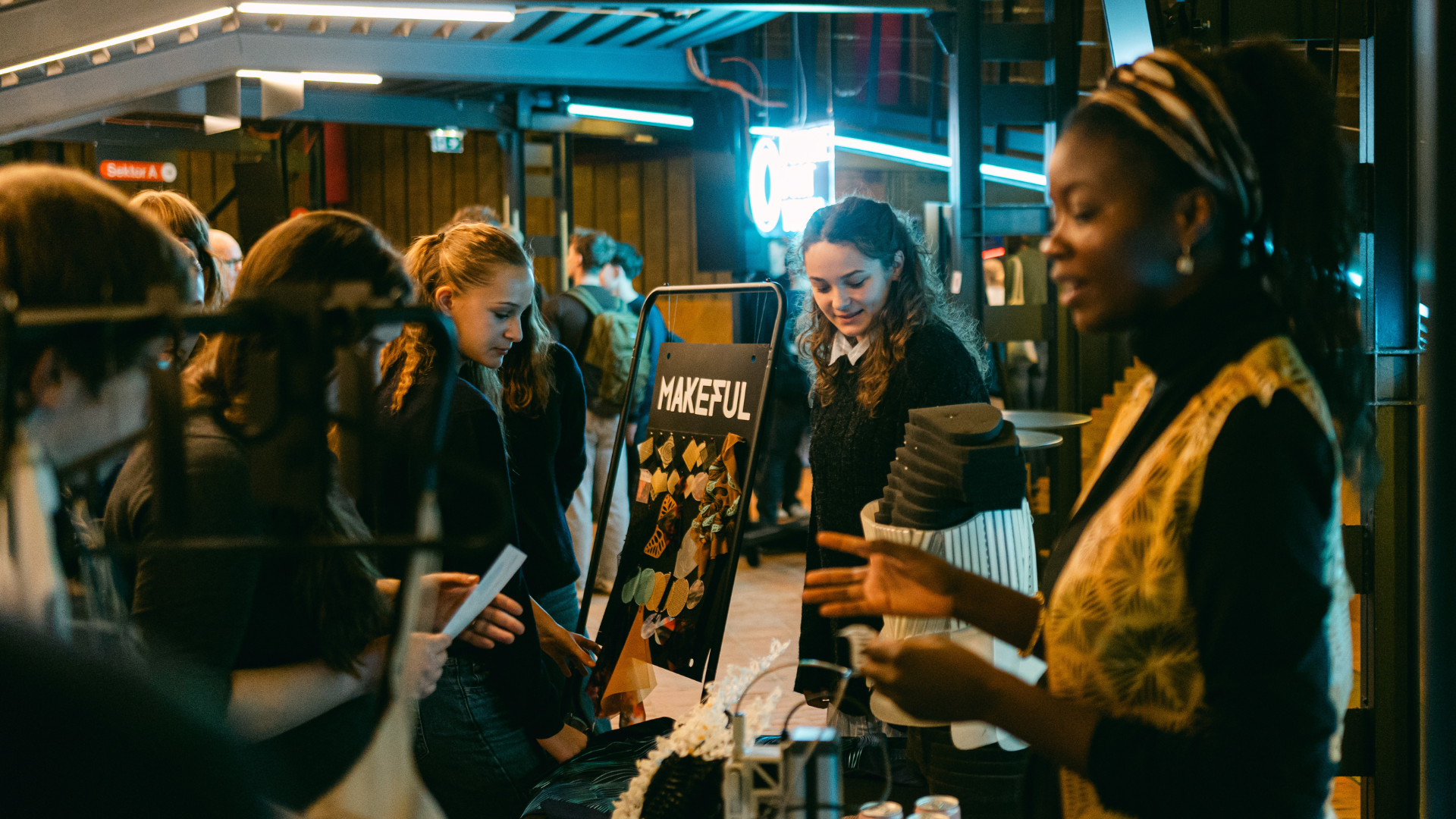
Making things is one of the most human activities.
Look at any city. Bridges, buildings, clothing, music and tools all started as ideas. Someone imagined them and then built them.
That ability to imagine and create is something people learn through practice.
Makeful exists to give students that experience. We combine fashion, design and technology so students can build things themselves. They do not just study innovation. They practice it.
Students finish with projects they can hold, wear and show.
From a 3D-printed dress that purifies air to a garment that changes colour with temperature, Makeful students do not just study technology. They make it wearable and theirs.
Fashion design is our starting point. From there, students move into deeper technical work.
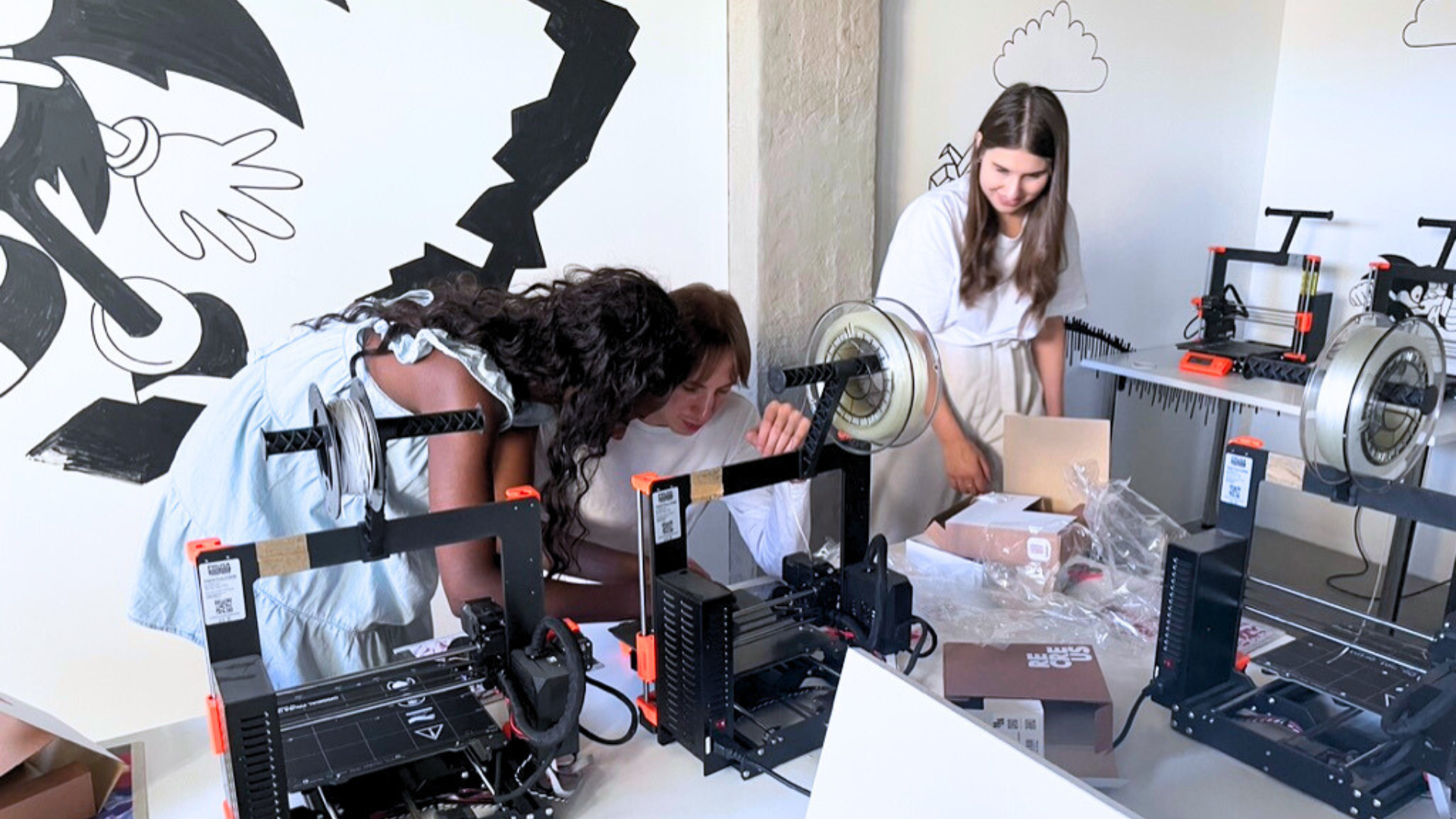
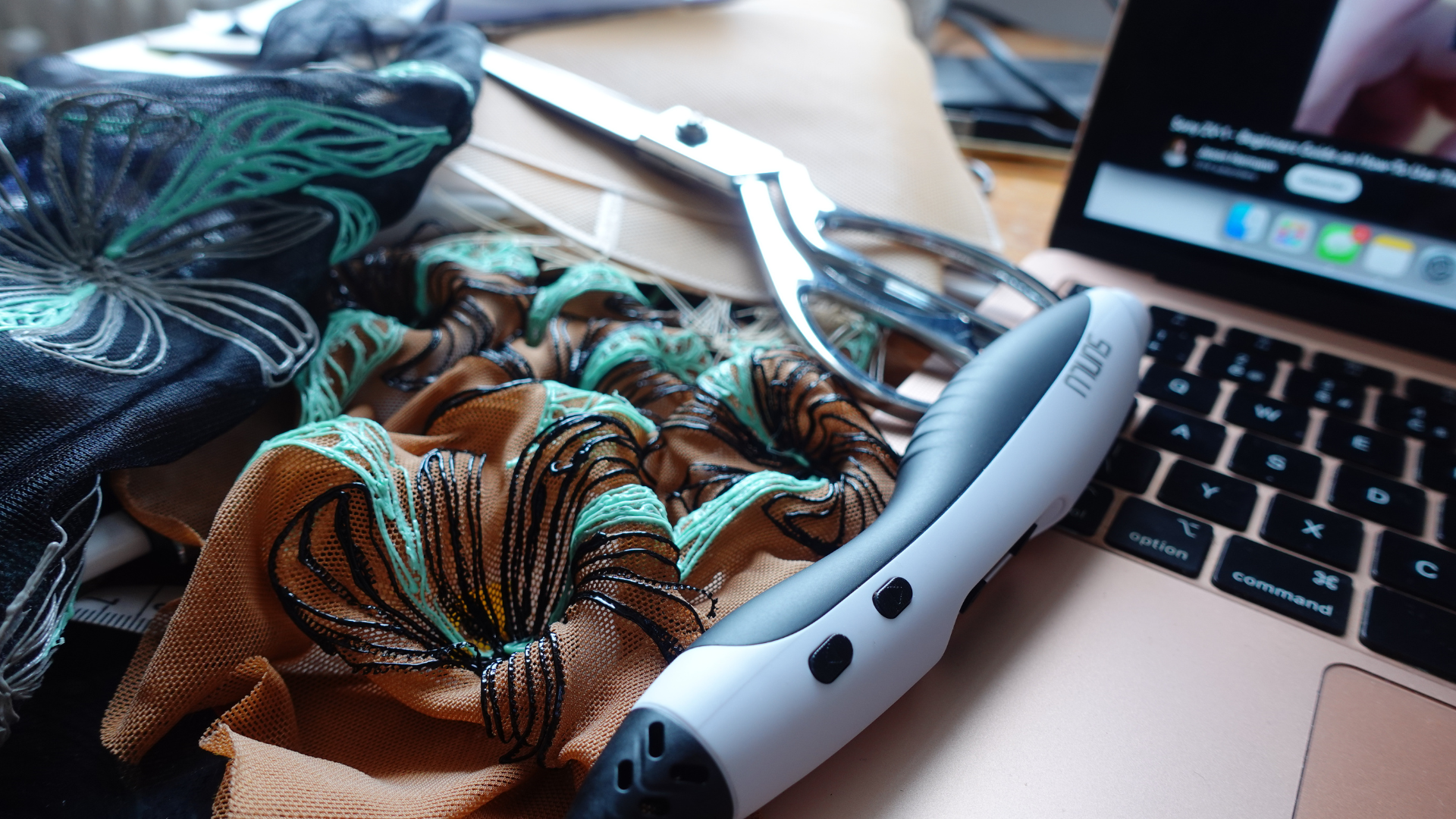
They work with tools like 3D printing, materials science, electronics, AI design tools and sustainable materials.
Fashion works well for this because it connects creativity and engineering in a very direct way.
For example, when a student designs clothing that changes colour with temperature, they are learning chemistry. When they 3D print a structure that can be worn, they are learning engineering.
Students are not just studying technology. They are building things they actually want to wear or show to others.
We describe our approach as soft engineering.
It starts with curiosity. Students begin with an idea they care about and then learn the technical skills needed to build it.
During the program they sew, model designs, test materials and adjust their work. They repeat the process until the idea works.
The focus is not memorizing information. The focus is learning how to make something real.
Students begin with an idea or challenge they care about. The technical skills they need follow from that. Not the other way around.
We do not start with lectures. We start with materials. Students handle things, test ideas and figure things out from day one. Theory comes from doing.
Students move from saying they learned something to saying they are a maker. A portfolio is physical proof. That shift tends to stay.
Every Makeful project starts with a challenge that matters in the real world. Students don't simulate solutions. They build them, wear them and present them. Here are some of the briefs they work with.
How might we design splints, braces or therapeutic garments that are more comfortable, more beautiful and more accessible than what exists today? Students explore materials science, ergonomics and human-centred design.
In cities where smog drops visibility and safety becomes a real concern, how might we design clothing that makes people glow? Students work with photoluminescent filaments and wearable light design.
How might we create garments using conductive filament that help people notice and respond to their own stress levels? Students explore biometrics, textile electronics and the intersection of wellness and design.
How might we embed temperature-sensing technology into clothing using thermochromic filaments, creating wearables that change colour to communicate? Students work with materials science and user experience design.
How might we design accessories or garments that actively purify the air around them, in clubs, on public transport, in offices? Students combine environmental engineering with fashion design. Vittoria's ballet dress proved it's possible.
Every project Makeful students complete is finished, functional and genuinely impressive. Not proof that young people can learn technology. Proof that they can invent with it.
"Imagine designing a jacket that is not just fashionable, but actually purifies the air while you wear it. That's the future of fashion."Forbes Next Big Thing Stage
Linette's background spans 7 years of K–12 STEAM teaching, a deep foundation in Textile Science and Engineering and professional experience at companies including IBM. She has spent her career at the intersection of technology and people, and that is what Makeful is built on.
As a Fashion-Tech designer, she created an award-winning haptic suit that combines 3D printing, AI and wearable electronics. She received the Dean's Prize from Czech Technical University, was a finalist for the 2024 Creative Heroes Award, has been featured in Wired and has spoken at Forbes Next Big Thing and Future Port Youth.
Beyond Makeful, Linette mentors makers worldwide through the ELEGOO With Her International Program and is an honorary mentor for Femme Palette. She believes education and technology, together, can make the future better for everyone.
Linette spoke at Future Port Youth about what it looks like to rethink education through making. What happens when you give young people real tools and real creative challenges? This talk gets into the thinking behind Makeful: why fashion works as a starting point, why joy matters, and why the future of learning needs to be hands-on.
Watch on YouTube ↗"3D printing technology transforms theoretical concepts into tangible experiences, enabling students to bring their ideas to life. It's not just about fashion; it's about empowering students to explore technical subjects, break down barriers, and spark a love for innovation."Linette Manuel, Co-founder of Makeful
BambuLab wrote about Makeful's approach to hands-on learning and how giving students real tools changes not just what they make, but how they see themselves.
Read the Full Article ↗We care about a few key principles. These are the things that shape how we design programs and work with students.
Passive learning. Students do not spend most of the time listening to lectures. They work with materials and ideas from the start.
Simplified technical work. The tools and ideas are real. Students learn to handle complexity.
Programs designed for only one type of student. Some students care about design. Others care about engineering. Both belong here.
Grades as the main goal. We focus on what students build and how they think, not test scores.
Playing it safe. We encourage students to try ambitious ideas, even if it means starting over a few times.
Joy in learning. If students enjoy the process, they stay curious and keep experimenting.
Beauty with purpose. Good design can be both functional and visually strong.
Identity as a maker. Students move from saying they learned something to saying they are a maker.
Different perspectives. Designers and engineers often approach the same problem differently. That mix leads to better ideas.
Iteration over perfection. Things will break. Prints will fail. That is part of the process. Students learn more from fixing problems than from getting things right first time.
When students join a program, three things are usually present in the room.
Students try ideas and test what works. The goal is to find something that solves a real problem, not just to use technology for its own sake.
Questions drive the work. Students explore how materials behave and how systems can change. The best ideas often come when students with different backgrounds look at the same problem.
There is a real moment when a design works or a print succeeds. That feeling matters. It shows the work is real and the student is learning something worth learning.
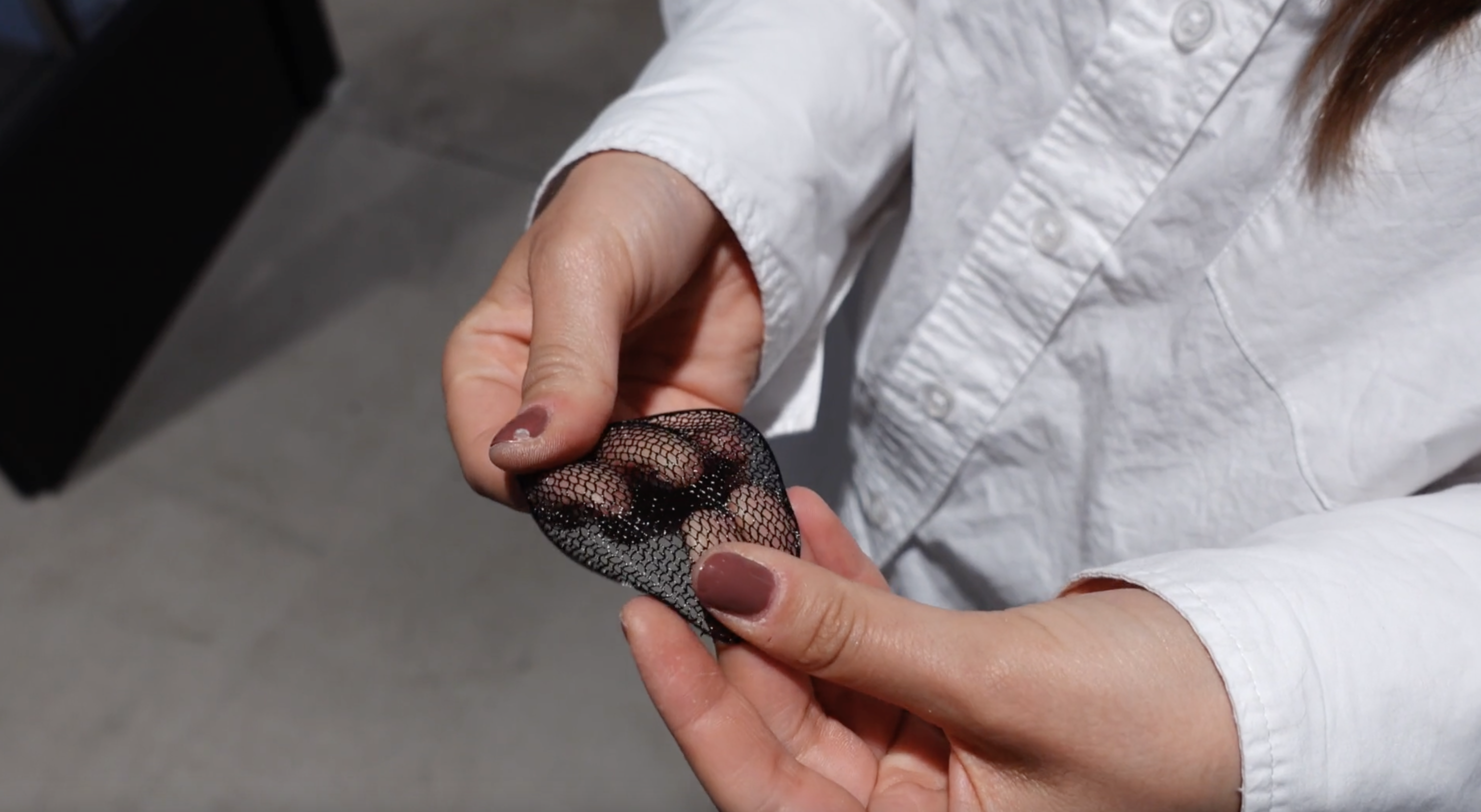
Makeful is for anyone who gets excited by the idea of building something new, who looks at materials and sees possibilities, who wants their creative energy to turn into something real.
You don't need any experience with technology. You don't need to know what 3D printing is. You just need to be curious enough to find out.
Creative students who haven't found their way into technology yet. If you love design, art or fashion, Makeful shows you how far those instincts can take you.
Students who love both art and science and never understood why they had to choose. Makeful is built exactly for where those two things meet.
Schools looking for something genuinely different. Not another robotics club. A program that produces wearable, finished, portfolio-ready work and students who call themselves makers.
Makeful is based in Prague and runs programs with schools across the US, UK and beyond.
Educators who have trained with Makeful and can now bring FashionTech STEAM into their own classrooms.
Students who have completed end-to-end projects: wearable, functional work they are proud to show.
Schools and educators across 8 or more countries running FashionTech STEAM programs.
Makeful works with organisations that genuinely believe in the power of making and in the people who do it.
Provides hardware and support that makes hands-on making possible at scale. Linette is also a mentor in the ELEGOO With Her International Mentoring Program.
Provides flexible filament materials and supports our program activities so every Makeful student has what they need to bring their ideas to life.
A sister project focused on creating art-tech learning experiences for kids over the long term.
Makeful programs include talks and sessions from people who are actually doing this work: designers, researchers, engineers and innovators. Students don't just learn about new technologies. They hear from the people building them.

Dr. Gosler is a PhD researcher at the University of the Arts London, specialising in smart wearables and experience-centred design. She founded KDN R&D Atelier, a design lab connecting fashion, technology and wearer experience. She brings over 15 years of industry experience.

Brigitte is the founder of Variable Seams Studio, a London-based design practice focused on modular 3D-printed wearables. Her collaboration with Balena Science using compostable filament was longlisted for a Dezeen Award and is exploring what sustainable printed fashion can actually look like.
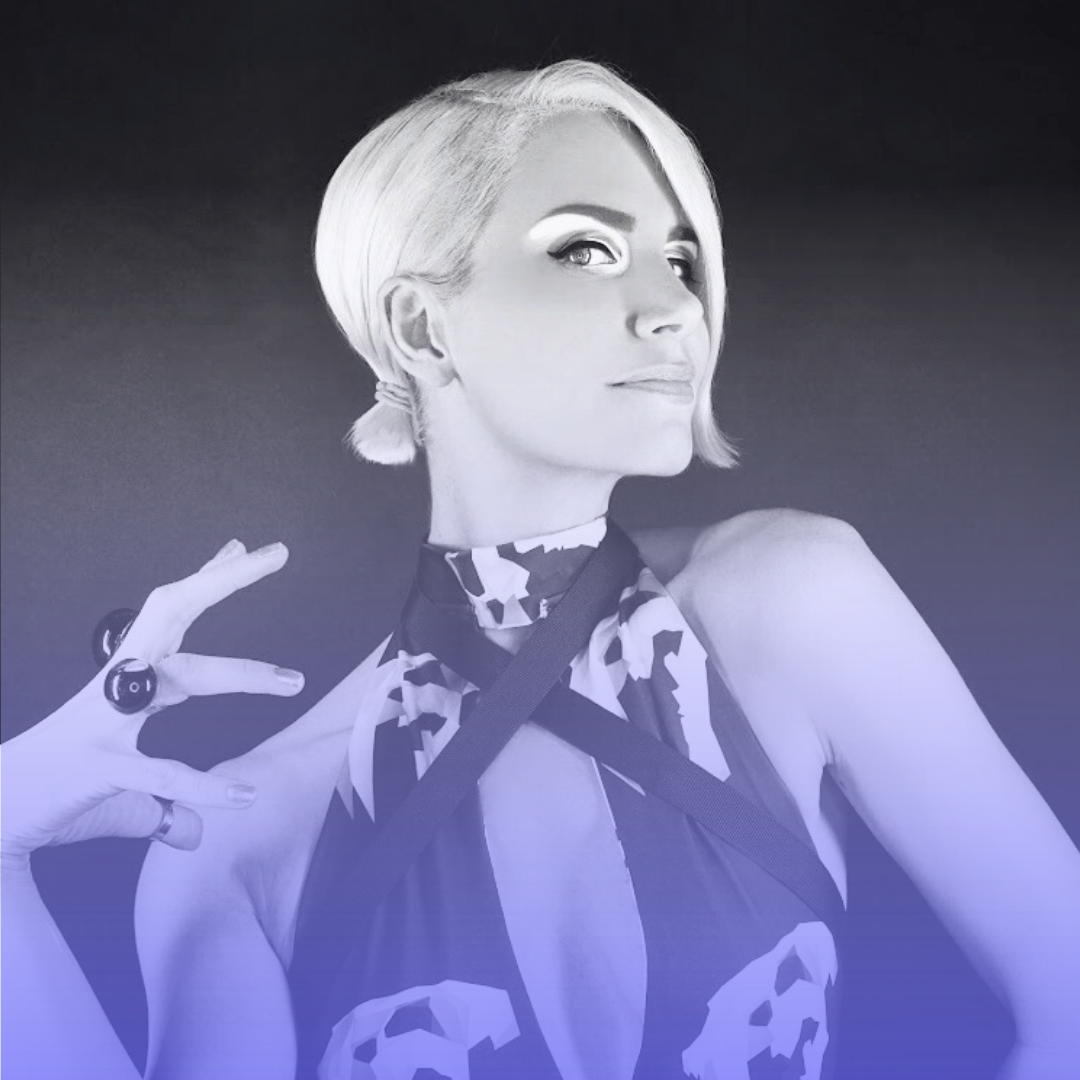
Anouk creates robotic couture that moves and responds to its wearer. Her Spider Dress, built using sensors and AI, has become one of the most well-known pieces in FashionTech. She has worked with Intel, Google, Audi, Cirque du Soleil and Swarovski.

Batoul trained as an architectural engineer and now runs Studio B.O.R., a design brand working with 3D printing, robotics, bio-based materials and parametric design. Her work has shown at Paris Fashion Week and the Met Gala and won the Taipei Design Awards.
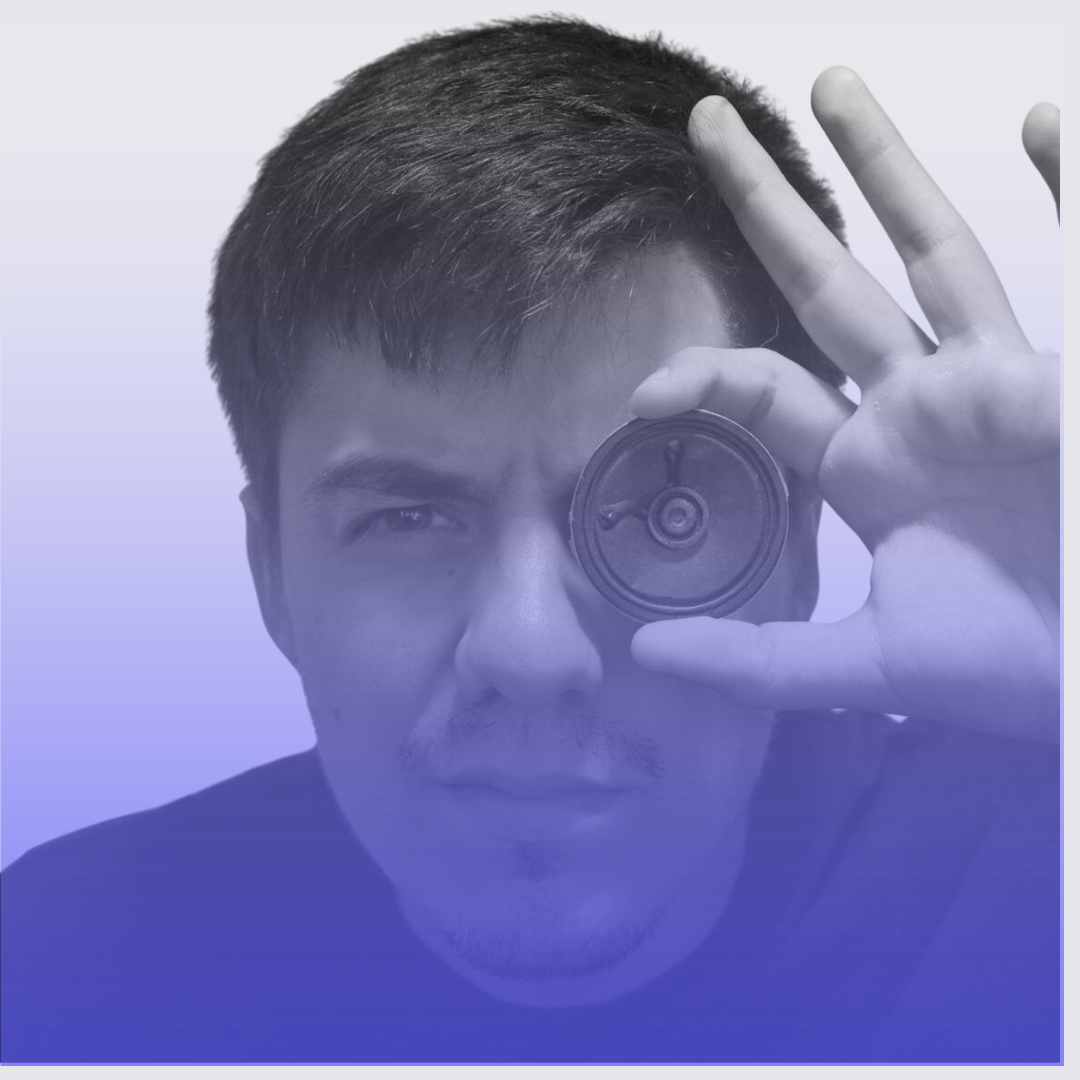
Bruno is a Brazilian artist based in France working at the intersection of 3D printing, AI and fashion. Self-taught in 3D modelling, he moved into fashion in 2021 and has since collaborated with musicians, digital artists and public institutions. His recent work includes a 3D printed samurai armour built from AI-generated illustrations.
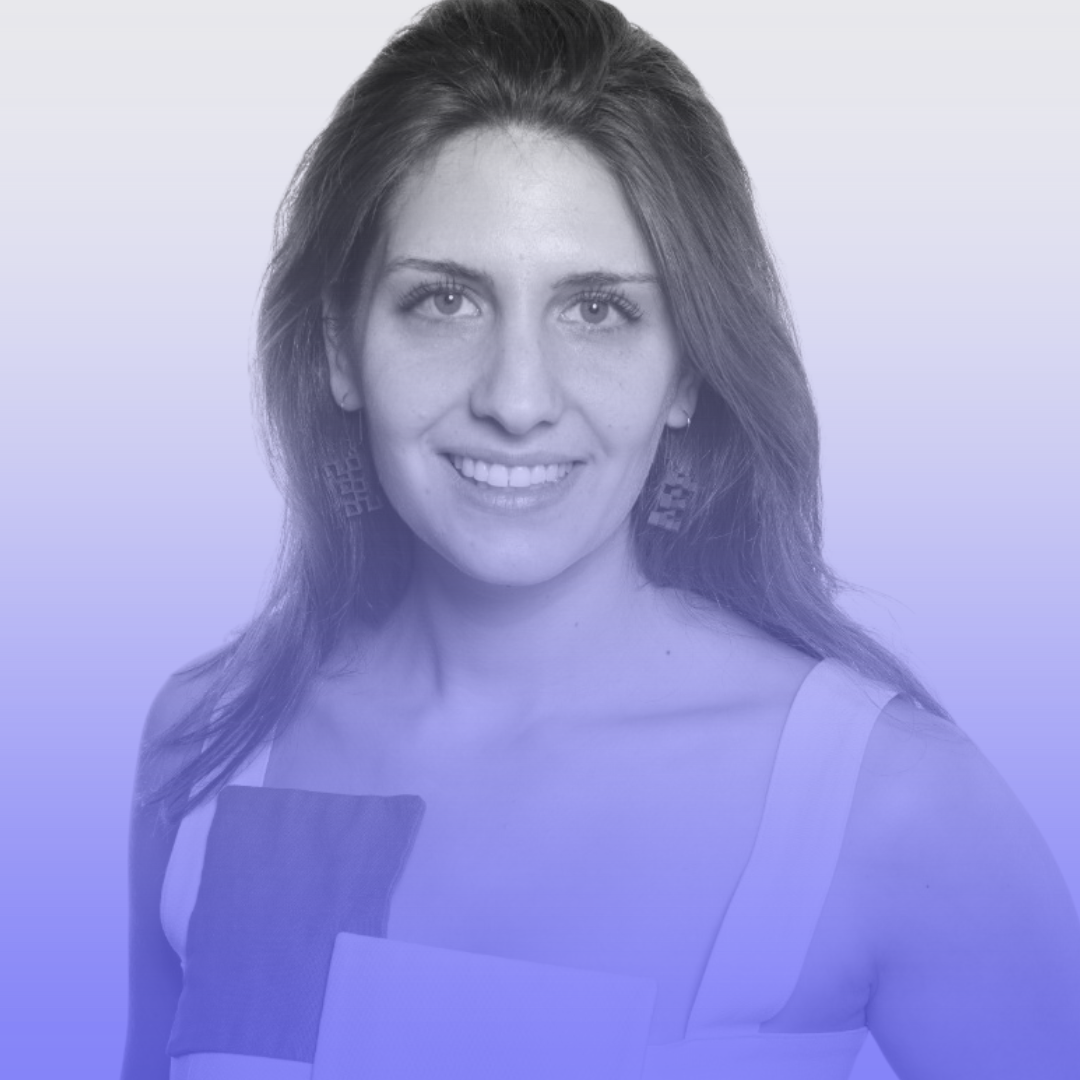
Lilach is an Israeli fashion designer with a background in architecture. She founded Procode_Dress, a studio focused on robot-arm 3D-printed garments. She won the Gucci Global Design Graduate Show sustainable fashion category at FIT, has shown at New York Fashion Week and holds a patent-pending printing method.
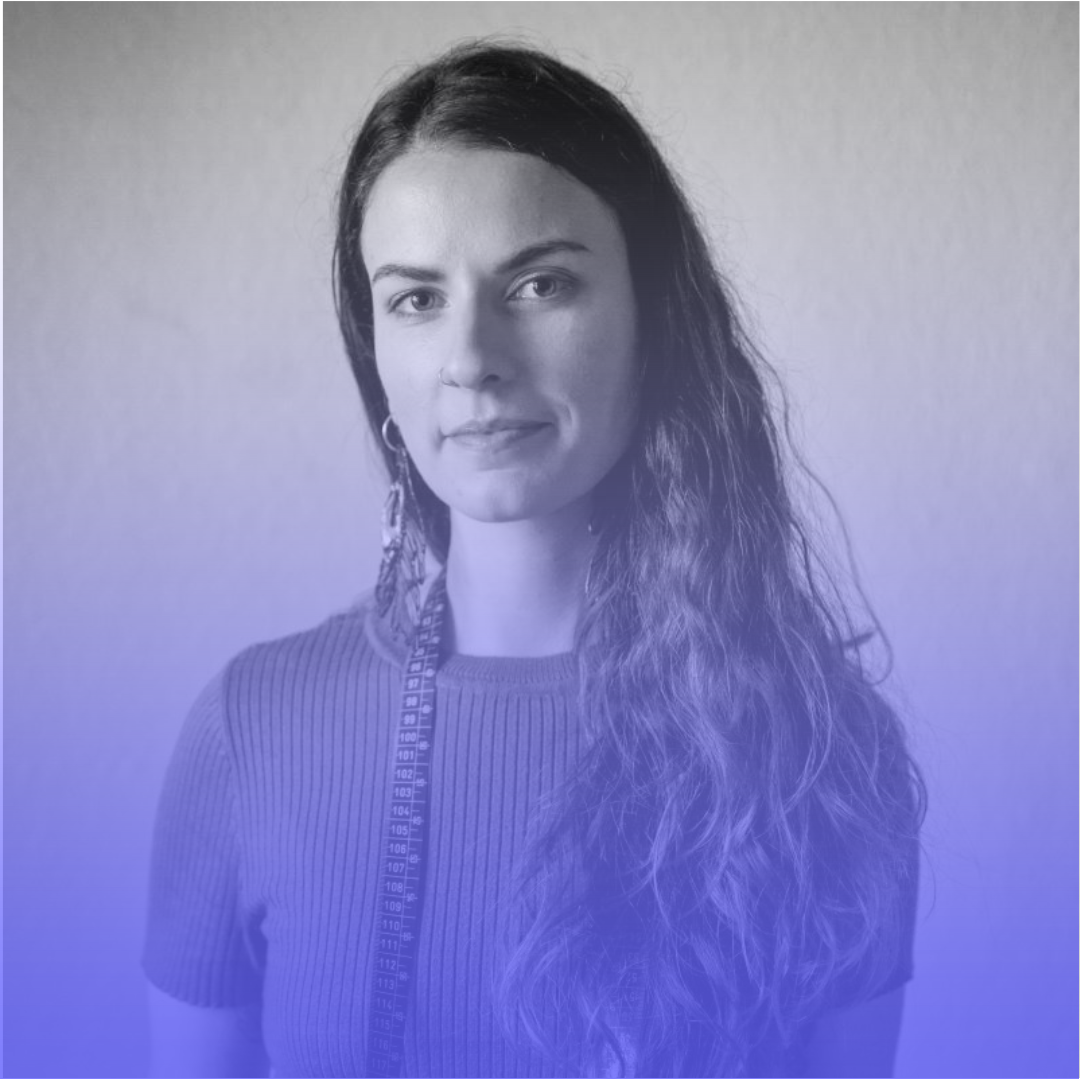
Stéphanie trained at ESMOD Roubaix and interned at Iris van Herpen. She creates entirely 3D-printed couture using recyclable materials and specialises in biofabrication and computational design.

Susana is a Fashion Tech designer, researcher and lecturer specialising in 3D-printed textiles and additive manufacturing. She has spent years developing fully 3D-printed textile structures and has published research on bringing additive manufacturing into fashion design.
In five or ten years, Makeful will have reached thousands of students. Each one will have completed at least one project: something physical, something functional, something they made themselves.
More importantly, each one will carry a different sense of what they're capable of. Not "I took a class once" but "I built that. I can build the next one too."
That's what we're working toward. More people in the world who know, from experience, the joy of making something that didn't exist before.
"Full of making within yourself."
Whether you're a coordinator, a teacher or a parent who wants something different for the young makers in your life, we'd love to hear from you.
